 Central Highlands
 Central Vietnam
 Con Dao Archipelago






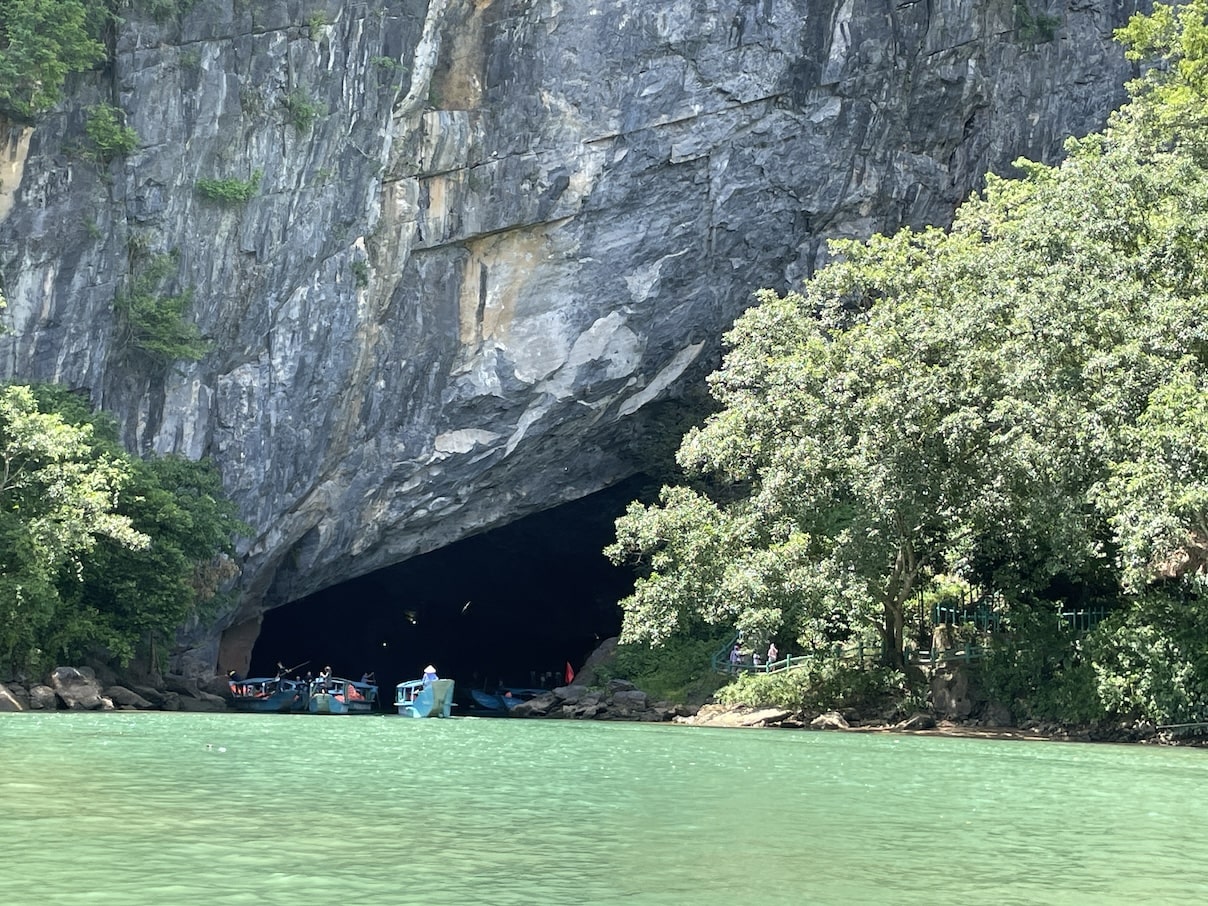
Located in the heart of central Vietnam, Phong Nha – Kẻ Bàng National Park is home to the most awe-inspiring caves and lush landscapes in the country. With its stunning natural beauty, unique wildlife, and rich cultural history, Phong Nha is a dream destination for adventure seekers and nature lovers alike.
But when is the best time to visit Phong Nha?
While most travel advice suggests avoiding the low season, typically from September to November, you’re actually missing out on the most beautiful time of the year. The quieter months bring unique advantages that make the experience even more magical.
Let’s explore why you shouldn’t miss Phong Nha in the low season!
1.1. The most beautiful time: Paradise cave’s hidden magic
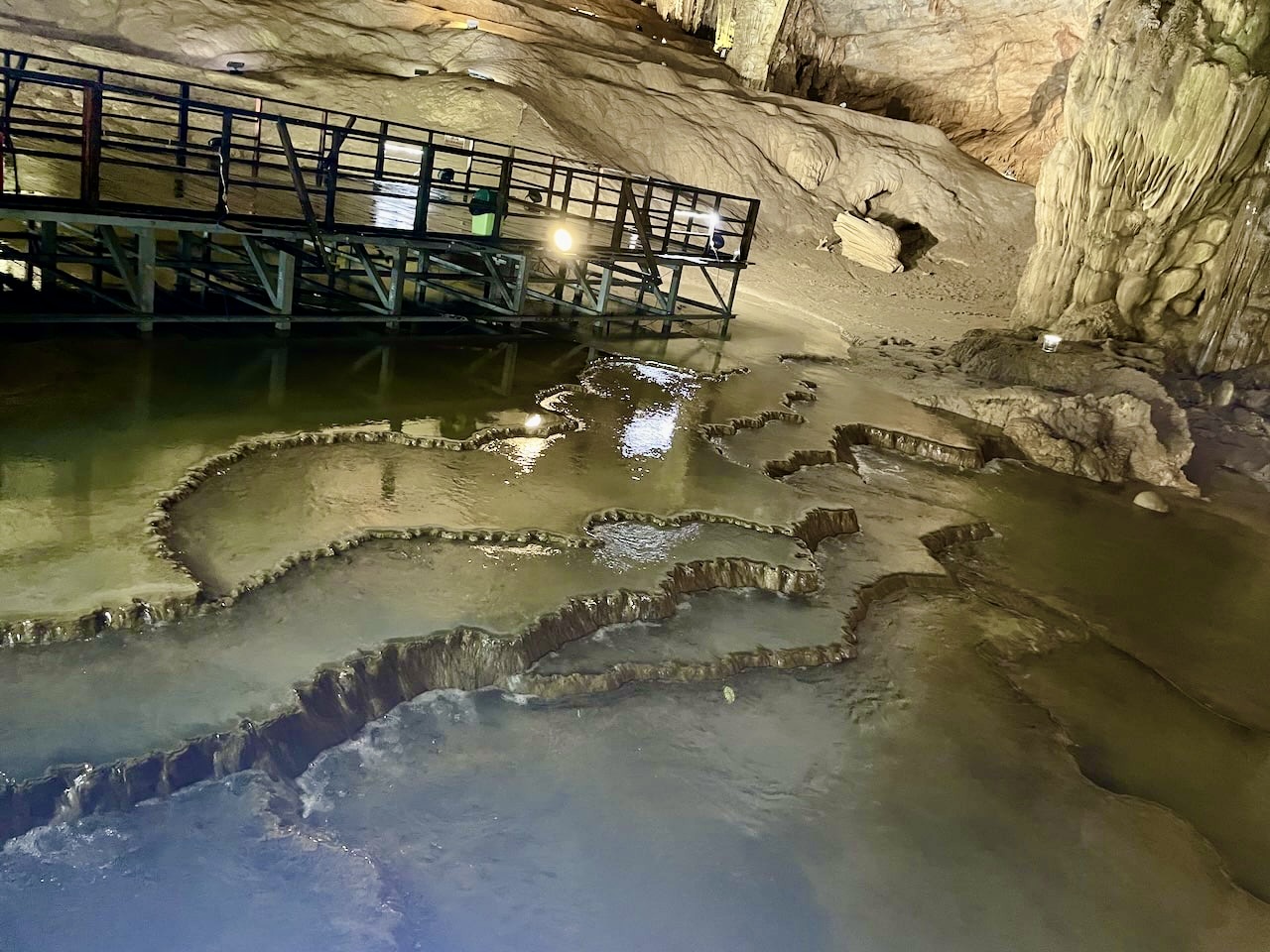
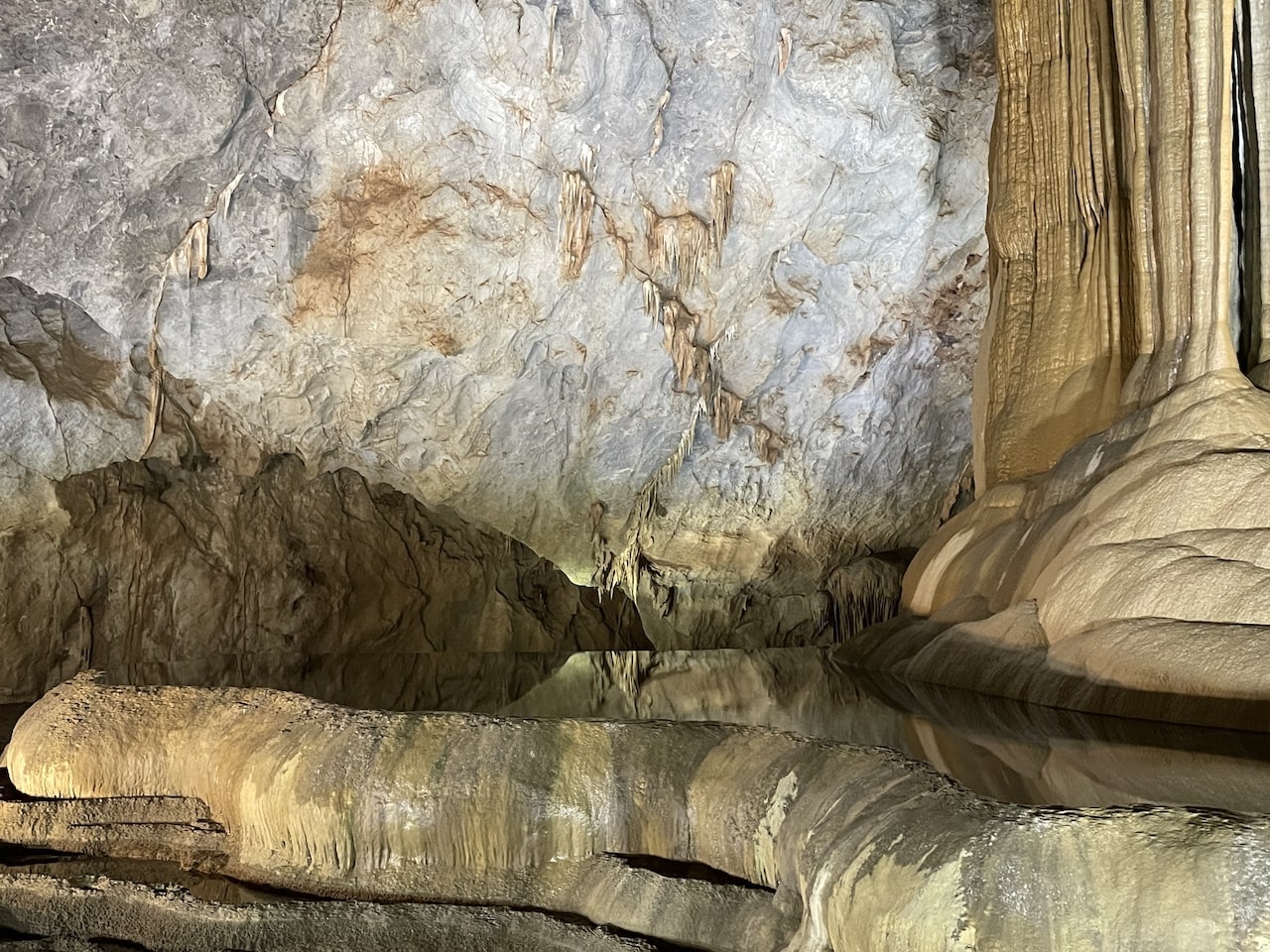
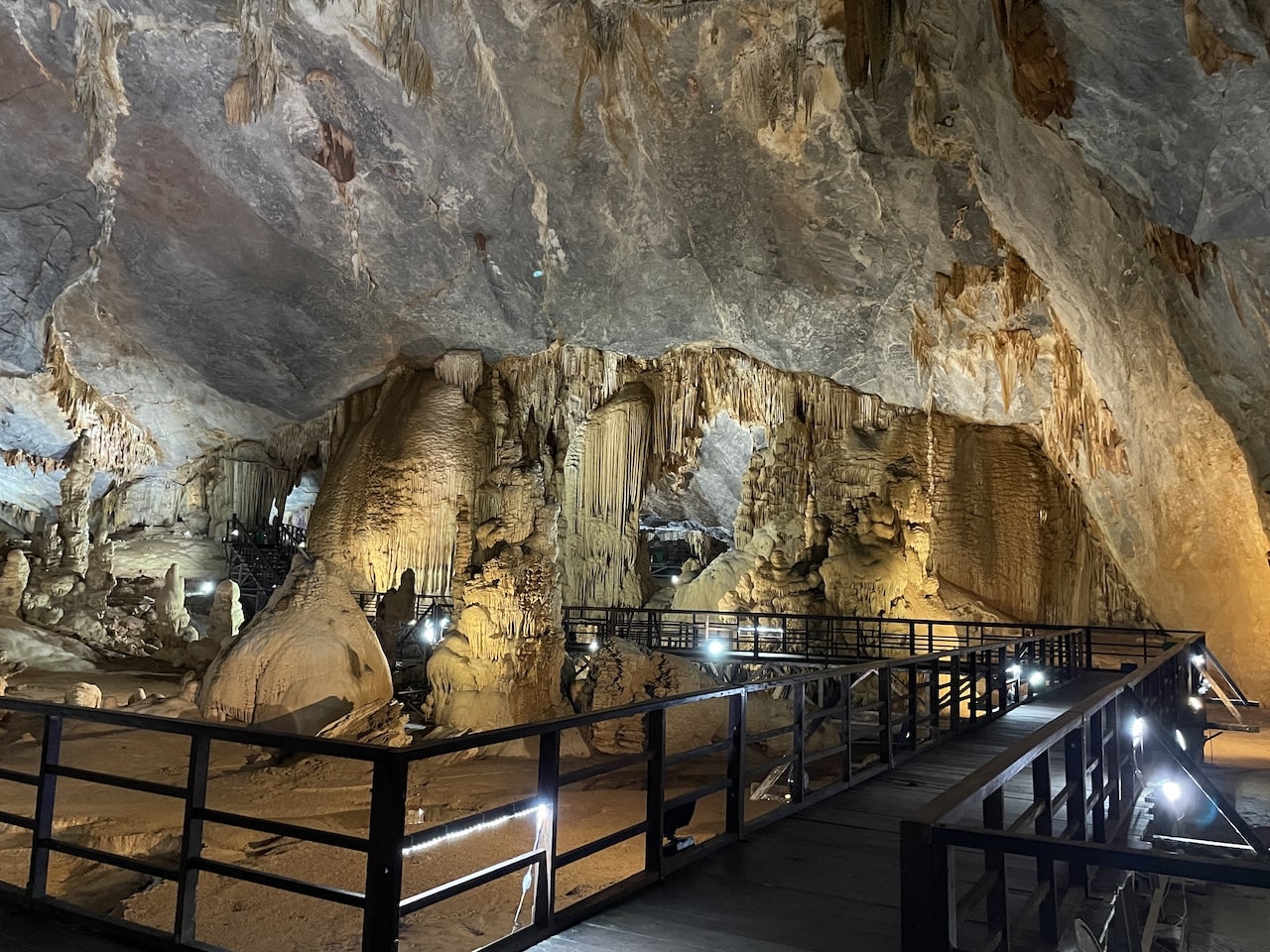
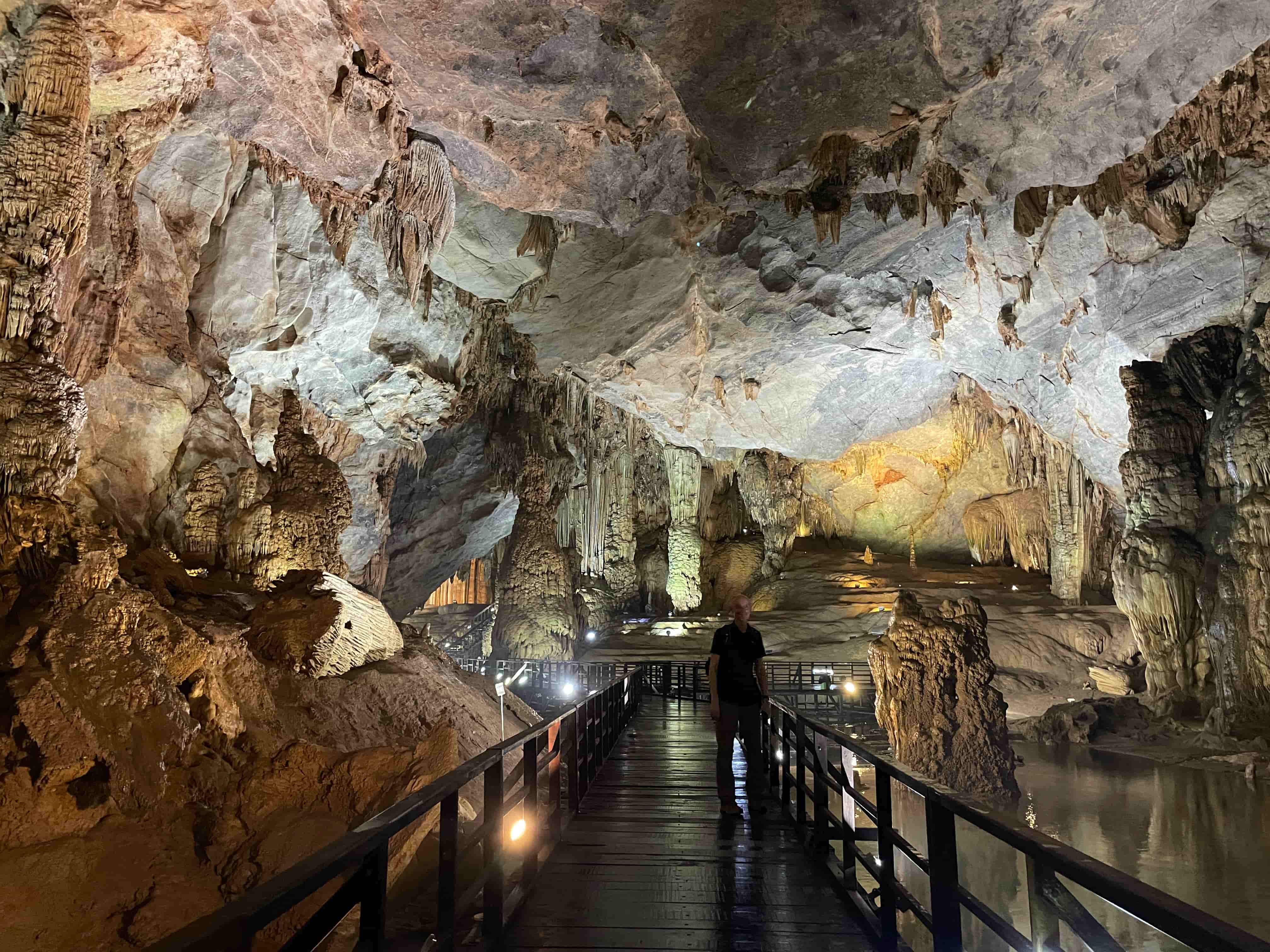
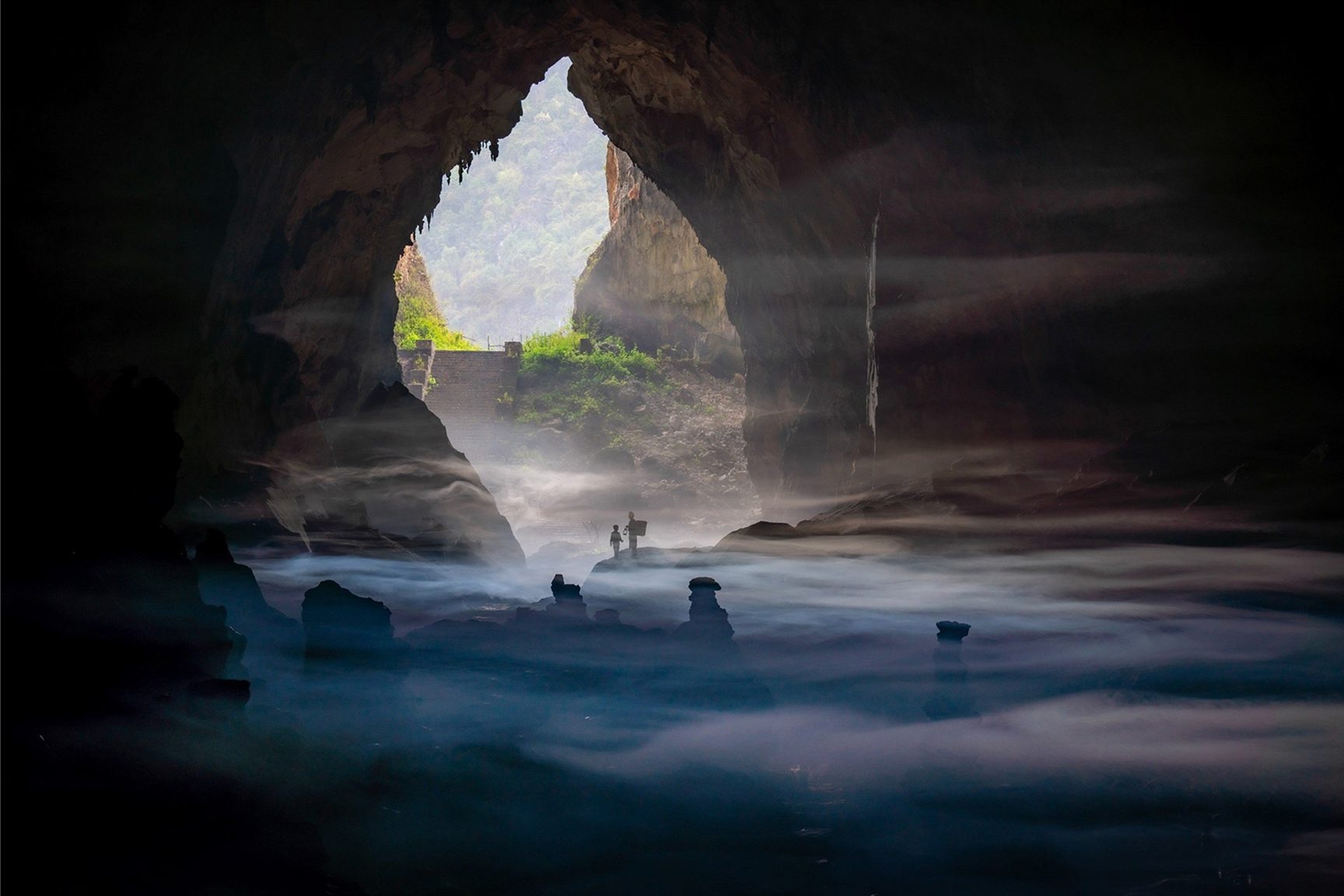
Phong Nha is so beautiful in the low season, especially in place like Paradise Cave. During this time, you will witness nature’s transformation that has never been seen during the peak months. For instance, in Paradise Cave, the water dripping from the stalactites creates a serene atmosphere, the sounds of dripping water in a silent cave become more enchanting. Meanwhile, the Son river turns a striking red color—thanks to seasonal changes. The lush landscapes become even more vibrant, and the air feels fresh and invigorating. The low season offers a unique way to experience the caves when they are at their most mystical, providing a completely different adventure than the typical tourist season.
-
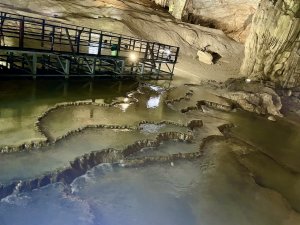
- Water filling up the rimstones
-
- Infinity pool inside the paradise cave
-
- The beauty of Paradise cave in low season
-
- The quiet Paradise cave
1. 2. Discover experiences that come alive only when the waters rise
Ever kayaked down a street instead of a river? Carried your chickens to the rooftop to keep them safe? Or built a raft out of banana trees just to get around? Welcome to Phong Nha in the rainy season — where daily life turns into an adventure you’ll never forget.
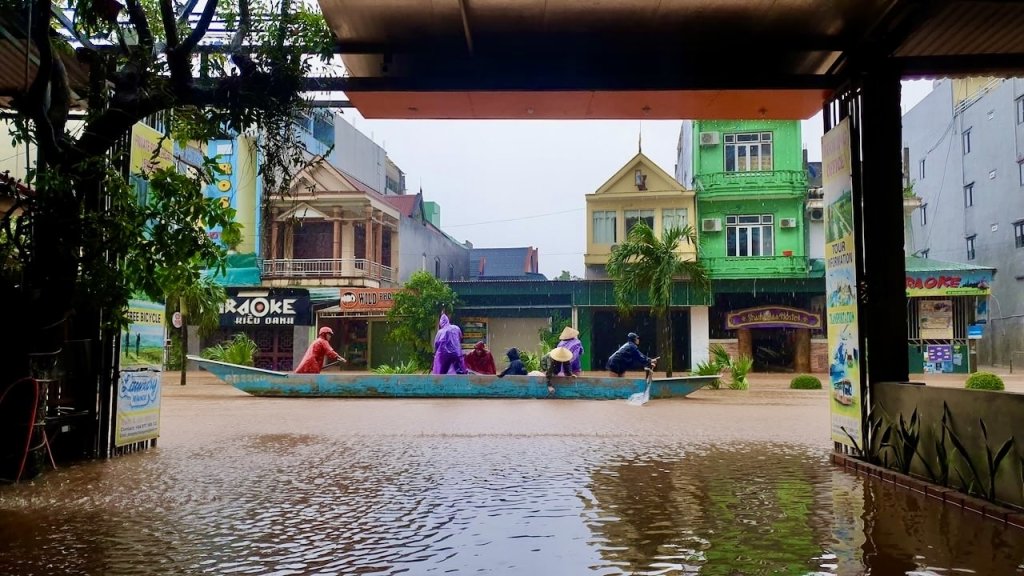
Locals rowing the boat along the street in Phong Nha town. Photo credit: Duong Vu Linh
1. 3. A sense of community: Local Intimacy
1. 4. Fewer tourists: Enjoy your own pace, space, and tranquility
One of the best reasons to visit Phong Nha during the low season is the sheer peacefulness that comes with fewer tourists. The usual cave tours, trails, and attractions are much less crowded, giving you the chance to explore at your own pace without the pressure of large groups. You’ll have more space for quiet reflection and to truly connect with nature. Whether you are kayaking along the Son River or trekking through the Botanic Garden, the tranquil atmosphere will make you feel like you have the entire park to yourself. For photographers, it is also a golden opportunity to capture beautiful shots without other tourists in the frame!
1. 5. Lower prices: Budget-friendly travel
Traveling in the low season means you can enjoy Phong Nha on a budget. Accommodation, tours, and activities are generally more affordable when demand is lower. Many guesthouses and hotels offer special deals, making it easier to enjoy a luxurious experience at a fraction of the price you would pay during the high season. Whether you’re staying in a comfortable local homestay or opting for a boutique hotel, you’ll find plenty of affordable options that won’t break the bank.
1. 6. Avoid the extreme heat of summer
While summer temperatures in Vietnam can be unbearable in many regions, Phong Nha’s low season (from September to early November) offers a more manageable climate. Although rain is more frequent, it is often in short bursts and does not affect your ability to explore most of the area. The cooler temperatures are especially refreshing when exploring caves or hiking the lush trails, making it more comfortable to spend long hours outdoors compared to the stifling summer heat in peak season.
2. Notes to consider when traveling in the Off-Season
2.1. Always have a backup plan for water levels
While the low season brings unique experiences, it also comes with challenges. Heavy rainfall can cause rivers and lakes to rise, affecting certain tours—especially cave adventures and water-based activities at attractions like Dark Cave, Phong Nha Botanic Garden, Phong Nha Cave, Nuoc Mooc Eco-Trail, and Ozo Park. To avoid disruptions, it is always wise to check the weather forecast, consult local guides, and prepare a backup plan in case water levels make some routes inaccessible.
If that happens, here are some excellent alternatives:
-
Commander Cave – Discover stories of the Vietnam War along Victory Road 20 and step into history with a 9D VR experience as a truck driver on the Ho Chi Minh Trail.
-
Paradise Cave – Known as the longest dry cave in Asia, this breathtaking destination is not only a great alternative but an essential stop in any Phong Nha itinerary.
-
Duck farms in Bong Lai Valley – All are located in the peaceful Bong Lai Valley, these farms offer a fun, hands-on way to experience rural life.
-
Tien Son Cave – Often called the “twin” of Phong Nha Cave, this dry cave surprises visitors with its beauty. The journey includes a boat ride along the Son River and a climb of about 500 steps, rewarding you with panoramic views over Phong Nha village.
2. 2. Stay with locals: Be prepared for power cuts or shop closures
During the low season, some local businesses may operate at reduced hours, and power cuts can occasionally occur. Staying with local families or smaller guesthouses will give you a deeper, more authentic experience, but be prepared for the occasional disruption. So, what to do? Fully charge your power bank.
Shops may close on certain days, so it’s good to have some essentials like snacks, water, and necessary supplies on hand, not only for self-supplying but also for exchanging with other locals. Why’s that? Because no locals will leave your stomach empty on those days. The slower pace of life in the low season contributes to a more laid-back experience, but it’s always wise to be flexible with your expectations.
2. 3. Don’t forget travel insurance
Travel insurance is always a smart investment, but it is especially important when traveling in the off-season, where weather conditions can be unpredictable. Whether it is a flight delay, a canceled tour, or the need to change plans last minute, having travel insurance gives you peace of mind. Make sure your policy covers issues like trip cancellation, weather disruptions, and medical emergencies for a smooth and worry-free trip.
2.4. Avoid the overnight tours in the jungle/ caves
One night camping in the jungle or caves sounds very tempting, especially for dry days. However, please remember that the water level in Phong Nha is influenced by Lao’s weather conditions. For safety reason, it is suggested that you should NOT take any overnight tours in the jungle in the rainy season. One-day tours such as Tu Lan 1-day experience, Hang Tien 1- Day Exploration or Tu Lan – Hang Tien are very good options for you in the low season in Phong Nha.
3. Where to stay in the low season in Phong Nha
Visiting Phong Nha during the low season offers a quiet, misty, and incredibly authentic side of the region. Choosing a stay that embraces the natural environment—and is built to adapt to the changing weather—makes all the difference. Here are the top three recommendations:
1. Chay Lap Farmstay
Nestled amidst lush gardens, this is the perfect base to unwind and enjoy a slow-paced countryside experience.
The low season highlight: Experience their unique floating houses. Built to adapt seamlessly to changing water levels, these rooms offer a cozy, tranquil waterfront experience, making the rainy season feel like a peaceful retreat.
2. Phong Nha Greenfield Ecostay
A charming, nature-focused retreat that keeps you connected to local farming life.
The low season highlight: Phong Nha Greenfield Ecostay is built on elevated ground, safely high above the flatlands. It is completely surrounded by vast rice fields, giving you sweeping views of the misty green landscape and local farmers at work from the comfort of your dry, warm room.
3. Karst Residence
Wake up to breathtaking, unobstructed panoramic views of the towering karst mountains fading into the morning mist.
The low season highlight: The Karst residence is completely surrounded by vast, rolling rice fields and built on a secure, elevated foundation. This makes it an incredibly safe and peaceful place to stay during the rainy season, allowing you to relax comfortably indoors while watching the rain transform the green fields below into a beautiful, glassy mirror.
4. Tu Lan Lodge (Tan Hoa Village)
Located in Tan Hoa—officially recognized as a Best Tourism Village by the UNWTO in 2023—this lodge is a masterpiece of resilient local architecture.
The low season highlight: Tan Hoa is famous for its innovative weather-adaptive tourism. The lodge features stunning floating rooms modeled after local flood-shelter homes. If the seasonal waters rise, the houses safely float, and the village effortlessly adapts: guests use boats instead of bicycles to paddle around the village lanes, offering an unforgettable, deeply authentic immersion into indigenous life.
Conclusion
Phong Nha in the low season offers an entirely different experience than the high season—and it’s one that shouldn’t be missed. With stunning natural landscapes, affordable prices, and the chance to connect with the community, the off-season is the perfect time to enjoy this hidden gem of Vietnam without the crowds. The caves, the people, the tranquility, and the adventure are all waiting for you to discover them in their most serene and magical form.
Hashtag
Share post:





RELATED POSTS

A COMPARISON OF PHONG NHA 1-DAY ADVENTURE TOURS
Short on time but craving adventure? Compare the best Phong Nha 1-day adventure tours to find your perfect mix of jungle trekking, cave swimming, and raw nature immersion.

A GUIDE TO KAYAKING AND SUP IN PHONG NHA
Explore the best spots to rent a kayak or SUP in Phong Nha, learn how to beat the crowds, and get insider tips on navigating the region's stunning emerald rivers independently.

HOW TO GET TO PHONG NHA FROM DONG HOI BY LOCAL BUS
Turn a standard transit day into an authentic local adventure. Master the local bus routes, transit schedules, and insider hacks for traveling between Dong Hoi and Phong Nha seamlessly.
STOP PLANNING. START DOING.
Pick your favorite local experiences and let Mơ weave them into a sophisticated, unhurried, and safe master plan tailored just for you.